
How a Nearby Mold Inspector Identifies Hidden Mold in Hours

Hidden mold can compromise the safety and integrity of your home without showing obvious signs. Many homeowners search for a mold inspector near me only after damage or air quality issues have appeared. At Golden State Mold Inspections, we specialize in detecting mold in its earliest stages, providing clear reports and actionable insights without performing any removal or remediation work. Our focus is entirely on inspection, which allows us to remain objective and thorough in uncovering hidden issues.

Our trained inspectors use precise methods and tools to locate mold in places most people wouldn’t think to check. From crawlspaces to attics, we examine areas that are prone to moisture accumulation and other hidden risks. With a detailed inspection from Golden State Mold Inspections, you can quickly understand the condition of your property and make informed decisions before problems escalate.

Comprehensive Visual Assessment

The first step in identifying hidden mold is a detailed visual inspection. Our inspectors look for subtle signs of moisture damage, discoloration, or water intrusion that could indicate mold growth. This process involves checking behind walls, under flooring, in basements, attics, and even inside HVAC systems.

Even if there are no obvious patches of mold, trained eyes can detect patterns that suggest its presence. We carefully document these findings and take photographs to support our assessment. This visual assessment often reveals areas that may need further testing, allowing us to target inspections efficiently and effectively.

Moisture Detection Techniques

Moisture is the most common contributor to hidden mold. Our inspectors use advanced moisture meters and infrared cameras to detect water where it can’t be seen. These tools measure moisture content in walls, ceilings, and floors, helping us pinpoint areas at risk of mold growth.

Infrared cameras are especially valuable for detecting hidden moisture behind walls or above ceilings. By capturing temperature variations, they reveal damp areas that could harbor mold even if the surface looks normal. This method ensures that inspections are thorough and that no problem areas are overlooked.

Air Quality Sampling

In many cases, mold spores are present in the air before visible growth appears. We conduct air sampling tests to detect mold spores and other particles in indoor environments. These samples are analyzed to determine the type and concentration of mold, providing a clear picture of potential risks.

Air testing complements visual and moisture inspections by confirming whether areas that appear dry or unaffected actually contain spores. This combination of methods allows our inspectors to identify hidden mold efficiently, often within a matter of hours.

Surface Sampling for Hidden Areas

Sometimes mold can grow in less obvious locations such as inside cabinets, behind appliances, or under carpeting. Surface sampling helps confirm its presence. We collect samples from suspect areas and analyze them to identify any mold species present.

Surface sampling is targeted and precise. Our inspectors only test areas that show signs of potential mold, which saves time and ensures accurate results. The goal is to provide homeowners with clear information about hidden mold risks without unnecessary testing or disruption.

Detailed Reporting

Once the inspection is complete, we compile a comprehensive report detailing all findings. This report includes photos, moisture readings, air and surface test results, and recommendations for further action if needed.

Our reports are easy to understand, even for homeowners without technical knowledge. We focus on presenting facts and data clearly so that you can make informed decisions about how to address any issues discovered. Since Golden State Mold Inspections does not perform remediation, our advice is completely unbiased, helping you choose the best next steps without pressure.

Quick Turnaround

One of the key benefits of working with a nearby mold inspector is speed. At Golden State Mold Inspections, we prioritize efficient service without sacrificing thoroughness. Most inspections are completed in a few hours, allowing homeowners to get answers quickly.

This fast turnaround is especially valuable for buyers, sellers, and property managers who need timely information before making decisions. Our inspectors are trained to work methodically yet efficiently, ensuring you have a clear understanding of your property’s condition without waiting days for results.

Why Proximity Matters

Having a local mold inspector makes the process smoother and more responsive. Being nearby allows us to schedule inspections quickly and respond to urgent concerns with minimal delay.

Local inspectors are also familiar with regional conditions that contribute to mold risk, such as climate patterns, building materials, and common problem areas in homes in the area. This knowledge enhances the accuracy of our inspections and ensures no potential issue is overlooked.

Maintaining Objectivity

Because we only perform inspections and not remediation, homeowners can trust our findings completely. At Golden State Mold Inspections, we provide objective, detailed assessments without recommending unnecessary treatments or services.

This unbiased approach ensures that your decisions are based solely on accurate information. By focusing only on inspections, we deliver high-quality reports that highlight exactly where hidden mold exists and how to address it.

Preparing Your Property for Inspection

To get the most accurate results, it’s helpful to prepare your property before our inspection. Clear access to crawlspaces, attics, and areas around HVAC systems will allow our inspectors to examine all potential problem spots thoroughly.

Removing clutter and opening cabinets or closets can make it easier for us to detect subtle signs of mold growth. The more accessible your property is, the more comprehensive and accurate the inspection will be.

Quick Identification Saves Time and Money

Early detection of hidden mold can prevent costly repairs and health concerns. By identifying problem areas quickly, our inspectors allow homeowners to address moisture or mold issues before they worsen.

Our inspection process is designed to deliver precise information in a short time frame. This efficiency ensures that you don’t waste resources on guessing where mold may be or on unnecessary remediation. With a clear inspection report, you can take informed steps to maintain a healthy property.

Transparent Recommendations

After the inspection, we provide straightforward recommendations based on our findings. While we do not perform mold removal, our guidance outlines the next steps for remediation professionals, contractors, or homeowners who wish to resolve the issue.

This transparency helps homeowners understand the scope of any problems and the urgency of action. With our detailed report, you can prioritize areas for remediation or monitor conditions to prevent future mold growth.

Rapid, Reliable, Local Inspections

Choosing a nearby mold inspector like Golden State Mold Inspections ensures you get timely, reliable, and accurate assessments of hidden mold in your property. Our combination of visual checks, moisture detection, air and surface sampling, and detailed reporting allows homeowners to quickly understand potential issues.

We pride ourselves on thorough inspections completed in hours, providing clear data and recommendations without bias. If you suspect hidden mold or simply want peace of mind, our team delivers actionable insights that help you protect your property.

Uncover Hidden Mold Fast

Hidden mold can grow unnoticed and cause long-term damage. With a comprehensive inspection from Golden State Mold Inspections, you gain a complete understanding of your home’s condition quickly and efficiently.

Contact us today to schedule a nearby inspection. Our experts will identify hidden mold, provide a detailed report, and help you make informed decisions. Early detection is key, and our focused approach ensures you have the clarity you need without delay.

Golden State Mold
204 Lomita St, El Segundo, CA 90245
(310) 525-0619
https://goldenstatemoldinspections.com/
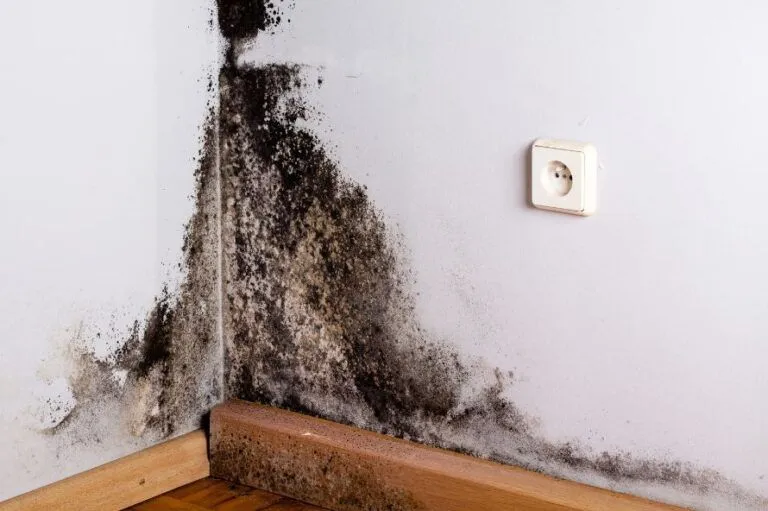

Inside the Tools and Methods Every Mold Inspector Relies On

Mold inspections are essential for property owners to understand moisture issues and potential hidden problems within their homes or commercial buildings. A thorough inspection involves careful observation, precise measurements, and sometimes advanced technology to detect conditions that aren’t immediately visible. Understanding the tools and methods used during these inspections can help property owners make informed decisions about maintaining and protecting their property.

At Golden State Mold Inspections, we specialize in providing detailed and unbiased mold inspections. Our mold inspectors use proven tools and systematic methods to detect, measure, and document moisture and mold concerns. By combining experience with advanced equipment, we ensure that our clients receive accurate information and actionable insights without the influence of remediation services.

Visual Inspection

One of the most foundational methods we use at Golden State Mold Inspections is a detailed visual inspection. Our inspectors carefully examine key areas of your property: bathrooms, kitchens, basements, crawl spaces, attics, and anywhere moisture may collect.

During this stage, we look for visible signs such as discoloration, water stains, peeling paint or drywall, and musty or damp spots on walls or ceilings. Though simple, visual inspections are important because they often identify obvious mold growth and help direct where more advanced tools should be used.

Additionally, we at Golden State Mold Inspections talk with you about any history of leaks or flooding, humid conditions, or other factors that might contribute to mold growth. This preliminary step frames the rest of the inspection process.

Moisture Mapping and Metering

Detecting elevated moisture is a key part of mold inspection. Even if mold is not yet visible, high moisture levels in building materials often lead to mold growth. At Golden State Mold Inspections we use moisture meters and humidity sensors to map moisture content in walls, wood framing, flooring, ceilings, and other structural elements.

These tools provide numerical readings of moisture percentage or relative humidity, which help us identify problem zones needing further investigation. In many cases, the moisture reading guides us toward hidden mold risk zones, behind drywall, under flooring, or in roof cavities.

Using these meters helps us avoid relying purely on visible signs. Instead we can detect early issues and assess the risk before mold becomes more advanced.

Thermal Imaging

Another powerful tool in our arsenal is the thermal imaging camera. At Golden State Mold Inspections, we employ infrared cameras to scan walls, ceilings, and floors for temperature anomalies that may suggest moisture intrusion. Cold spots often indicate dampness or water infiltration.

Thermal imaging allows us to see behind surfaces without invasive demolition. It helps us locate hidden moisture pathways, such as plumbing leaks, roof leaks, or condensation zones. Once we locate those, we can focus sample collection and measurement more precisely.

The method reduces guesswork and enhances the accuracy of our inspections, allowing us to provide a more actionable report.

Air and Surface Sampling

To complement visual and meter work, we at Golden State Mold Inspections conduct air sampling and surface sampling when needed. These methods help identify the type, concentration, and distribution of mold spores present in the property.

Air sampling involves collecting air samples from specific rooms to determine spore counts in the air. Surface sampling uses swabs or tape lifts from walls, ceilings, or other surfaces suspected of mold growth.

Selecting which method to use depends on the case, whether we suspect airborne spores, hidden mold growth, or visible surface mold. At Golden State Mold Inspections we interpret lab results, then combine them with all other inspections to provide you with a complete picture.

Detailed Reporting

After the inspection and sampling are complete, we at Golden State Mold Inspections produce a detailed report. This report includes findings from visual inspection, moisture and humidity readings, thermal imaging results, sample analysis if taken, photographs, and recommendations for next steps.

Because we are an inspection-only company, our findings are unbiased. We simply provide you the professional diagnostic information you need. From there, you can decide on remediation next steps or consult remediation professionals.

The report is designed to be readable and actionable, so that homeowners, real estate professionals, and business owners can understand the condition of their property and make informed decisions.

Calibration and Certification

In the field of mold inspection, accurate results depend on properly calibrated tools and qualified inspectors. At Golden State Mold Inspections we ensure all our instruments are properly maintained and calibrated, and that our inspectors hold industry certifications.

Certification means the inspector has passed specified training, knows how to handle equipment correctly, knows how to collect samples properly, and understands how to interpret results. Calibration of instruments like moisture meters and thermal cameras ensures the readings are accurate and reliable.

Failing to use certified inspectors or calibrated tools can lead to inaccurate findings, missed micro-leaks or hidden mold growth. At Golden State Mold Inspections our goal is to avoid errors and deliver trustworthy results.

Inspection Workflow

Here is a summary of the typical workflow that we at Golden State Mold Inspections follow:

  1. Initial consultation with client: gather history of moisture events, visible mold, smells, occupancy.
  2. Visual inspection of accessible areas: check for stains, water damage, mold growth, musty odors.
  3. Moisture and humidity measurement using meters and sensors: map zones with elevated moisture.
  4. Thermal imaging scan: identify hidden moisture intrusion, cold spots behind walls or ceilings.
  5. Sampling if needed: collect air and/or surface samples for lab analysis.
  6. Data review and analysis: compile moisture readings, thermal imaging findings, sample results.
  7. Detailed written report: provide findings, photos, lab data, and actionable recommendations.
  8. Client review and discussion: explain results and next steps clearly.

Each step builds on the previous one. Such a structured method ensures no part of the inspection is missed, and you receive a full understanding of your property’s condition.

Interpreting Results

Once you receive your inspection report from Golden State Mold Inspections, here are some key points to focus on:

  • Identify areas flagged with elevated moisture or hidden infiltration.
  • Review sample results: types of mold found and spore concentrations.
  • Examine photos and thermal imaging visuals for context.
  • Use our unbiased recommendations to guide your next steps, such as hiring a remediation specialist, drying and sealing leaks, improving ventilation, or installing dehumidifiers.
  • Remember that because we only inspect, we give you the facts. It’s up to you and your chosen remediation expert to act on those facts.

Technology in Mold Inspection

The field of mold inspection has seen advances in recent years. At Golden State Mold Inspections we adopt the latest tools and methods: high-sensitivity moisture meters, advanced thermal imaging cameras, real-time data logging, and integration of lab sample tracking.

These innovations allow more precise identification of problem sources, earlier detection of hidden issues, and more efficient reporting. By staying current with technology, Golden State Mold Inspections ensures our clients receive the most accurate and current inspection service.

Avoiding Common Mistakes

Some mold inspections fall short because of common pitfalls. At Golden State Mold Inspections we guard against these:

  • Relying solely on visible mold.
  • Using uncalibrated tools.
  • Conflicts of interest.
  • Failing to document areas.
  • Neglecting to provide clear recommendations.

By avoiding these mistakes, we deliver quality inspection services and help you make informed decisions.

Start Your Investigation Today

Ready to get a clear, professional mold inspection from Golden State Mold Inspections? Contact us today to schedule your inspection and get the detailed report you need to protect your property and your health.

Golden State Mold
204 Lomita St, El Segundo, CA 90245
(310) 525-0619
https://goldenstatemoldinspections.com/
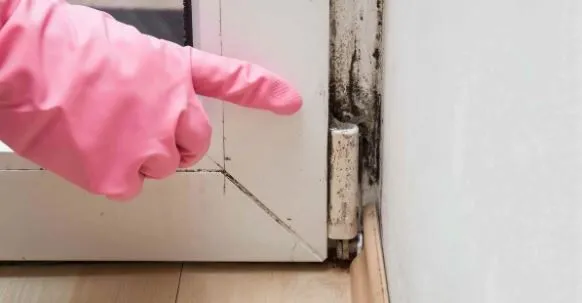
Understanding Mold Patterns Through Professional Inspections

At Golden State Mold Inspections, we understand that mold issues are not always visible on the surface. What truly matters is recognizing the hidden patterns that show how and why mold is spreading through a property. As licensed mold inspectors, our work focuses on uncovering these invisible signs to give homeowners clear, reliable information about their indoor environment.

Mold follows patterns based on moisture, airflow, and building structure. These patterns reveal where mold has been, where it is growing, and where it could spread next. A professional mold inspection is the only way to accurately interpret these patterns and take the right next steps to protect your home.

How Mold Patterns Develop

Mold growth is not random, it follows specific environmental triggers. Moisture from leaks, condensation, or humidity collects in certain areas, creating ideal spots for spores to thrive. Over time, mold tends to spread in recognizable ways: around water lines, beneath floors, behind walls, and along ventilation paths.

Professional inspectors identify these trends by looking at both visible clues and hidden moisture levels. We use specialized tools to track how mold moves through a building’s structure. Understanding this movement helps determine if a problem is localized or spreading across larger areas.

The Role of a Professional Inspection

A professional inspection is essential because surface appearances rarely tell the full story. At Golden State Mold Inspections, our trained inspectors analyze environmental conditions that most homeowners would not notice. We measure air quality, check moisture readings, and look for inconsistencies in building materials.

This careful assessment reveals the underlying pattern of mold presence. By identifying not only where mold is found but also why it developed there, we help property owners address the true source of the issue. This approach prevents unnecessary remediation and focuses attention where it matters most.

Common Mold Patterns Found in Homes

Different areas of a home display unique mold patterns depending on the materials and moisture sources involved. Below are several examples of what our inspections often reveal:

  • Ceilings and Rooflines: Mold often forms near roof leaks or poor attic ventilation. Patterns usually follow the direction of water intrusion.
  • Walls and Baseboards: Behind walls, mold may form along insulation or drywall seams. The pattern often traces back to plumbing leaks or window condensation.
  • Bathrooms and Kitchens: These spaces have constant moisture from daily use. Mold patterns appear near sinks, showers, and under cabinets.
  • Crawlspaces and Basements: Moisture rising from the ground or entering through vents causes horizontal mold patterns on joists and beams.

Understanding these patterns helps us determine the origin of the problem and recommend specific next steps for repair and moisture control.

The Tools That Reveal Hidden Mold Patterns

Mold patterns can only be accurately recognized with the right tools and testing methods. At Golden State Mold Inspections, we use a combination of techniques to map out mold activity throughout a property.

  • Infrared Thermal Imaging: Detects temperature differences that suggest moisture behind walls or ceilings.
  • Moisture Meters: Measure the exact moisture content in building materials to confirm water intrusion.
  • Air Sampling: Tests airborne particles to determine the presence and concentration of mold spores in different rooms.
  • Surface Sampling: Identifies specific mold types on visible areas or hidden surfaces.

Each of these tools contributes to a complete picture of mold behavior, allowing us to interpret how it spreads and where it may appear next.

Why Pattern Recognition Matters

Recognizing mold patterns allows for better prevention and planning. Instead of only reacting to visible signs, our inspectors trace mold activity back to its source. By doing this, we can pinpoint the specific factors driving its growth, whether it’s poor ventilation, unnoticed leaks, or humidity buildup.

Pattern analysis also helps prioritize which areas of the home require immediate attention. A small patch of mold in one room could signal a larger problem behind the walls or under flooring. Without understanding these patterns, property owners risk incomplete solutions that fail to address the underlying issue.

How We Analyze the Data

After gathering samples and inspection data, we carefully evaluate the findings. This includes comparing results from different parts of the property, checking environmental readings, and matching visible growth with possible causes.

Our reports clearly explain the pattern we’ve identified, whether it’s isolated, linear, clustered, or widespread, and what that means for your property. We also provide practical guidance on how to correct moisture issues or structural conditions contributing to mold activity.

This detailed analysis ensures our clients have the information they need to make informed decisions about next steps without unnecessary guesswork.

The Value of an Independent Inspection

Because Golden State Mold Inspections focuses only on inspection and testing, we provide an unbiased evaluation. We do not profit from remediation services, so our results are objective and transparent.

This independence is crucial when identifying mold patterns. It ensures that the inspection findings are based solely on accurate data, not on selling additional services. Our only goal is to help you understand the condition of your property so you can act confidently with trusted information.

Preventing Future Mold Through Insight

When homeowners understand how mold patterns form, they can take proactive steps to reduce future risks. For example, improving ventilation in high-humidity areas or sealing gaps near plumbing fixtures can prevent moisture buildup.

We often recommend periodic inspections for properties with past water damage or recurring leaks. Monitoring changes over time helps identify new patterns early before they become serious. Our goal is to provide insight that keeps your home safe, dry, and structurally sound for the long term.

Clarity You Can Trust

At Golden State Mold Inspections, our mission is to give property owners clear answers through accurate mold inspections. Understanding mold patterns is key to solving problems the right way, from identifying where moisture starts to showing how it affects your living space.

If you’ve been searching for a mold inspector near you who focuses only on honest, detailed reporting, contact Golden State Mold Inspections. Our team is here to inspect your home, interpret the patterns, and help you plan the best course forward with confidence and peace of mind.

Golden State Mold
204 Lomita St, El Segundo, CA 90245
(310) 525-0619
https://goldenstatemoldinspections.com/

-